


Your roof is a pretty big deal for your house. It keeps the weather out and keeps you comfortable inside. But, like anything, roofs get old and worn out. Most people don’t think about their roof until there’s a big problem, like a leak. That’s usually when the damage is already pretty bad and costs a lot to fix. So, how can you tell if your roof is ready for retirement before it causes major headaches? Here are five common signs to look out for that suggest it might be time for a Residential Roofing replacement.
Key Takeaways
-
Look for shingles that are cracked, curled, or missing entirely. These are weak spots where water can get in.
-
Check your attic for any signs of water stains or dampness. This often means a leak is happening somewhere in the roof.
-
Keep an eye on your gutters. If you find a lot of small, gritty pieces that look like sand, they’re probably granules from your shingles.
-
A roof that’s starting to sag in certain areas is a serious sign of trouble, possibly due to water damage or structural issues.
-
While not always a sign of immediate failure, excessive moss or algae growth means your roof is holding too much moisture, which can cause damage over time.
1. Missing, Cracked, or Curled Shingles
Take a good look at your roof from the ground. Are any of your shingles looking a bit rough around the edges? You might see some that are cracked, or maybe they’re starting to curl up at the edges. Sometimes, you might even spot shingles that are completely missing, leaving the underlayment exposed. This is a pretty clear sign that your roof is getting old and worn out.
Shingles are like the armor for your house, protecting it from rain, sun, and wind. When they start to break down, that protection goes away. Cracked shingles can let water seep underneath, which can lead to rot and mold. Curled or lifted shingles can get caught by the wind and ripped right off. And if you’re missing shingles, well, that’s just an open invitation for water to get in.
It’s not just about what you see on top, either. If you’ve got a lot of those little granules, like coarse sand, showing up in your gutters or downspouts, that means the protective layer on your shingles is wearing away. Think of it like shedding skin – it’s a sign of aging.
Here’s a quick rundown of what to look for:
-
Cracked Shingles: Look for splits or breaks in the shingle material.
-
Curled or Cupped Shingles: Shingles that aren’t lying flat, often turning up at the edges or in the middle.
-
Missing Shingles: Spots where shingles have blown off or fallen away entirely.
-
Granule Loss: Finding a gritty, sand-like material in your gutters or on the ground below your roof.
If you notice these issues, it’s definitely time to get a professional to take a look. Putting it off could mean bigger, more expensive problems down the road, like leaks that damage your attic or ceilings.
2. Water Stains or Leaks in the Attic
Okay, so you’re up in the attic, maybe looking for some old holiday decorations, and you spot it – a dark, damp patch on the ceiling joists or insulation. Or perhaps you’ve noticed those tell-tale brown or yellowish rings appearing on your bedroom ceiling after a good rain. These aren’t just cosmetic issues; they’re clear signals that water is finding its way into your home, and your roof is likely the culprit.
Think about it: your roof is the first line of defense against the weather. When shingles are compromised, or the flashing around vents and chimneys starts to fail, water can slowly but surely make its way through. It doesn’t always result in a dramatic drip right away. Sometimes, it’s a slow seep that stains the drywall or soaks into the attic insulation. This trapped moisture can lead to bigger problems down the line, like mold growth or even damage to the wooden structure of your home.
Here’s what to look out for:
-
Attic Inspection: After a heavy rain, head up to your attic. Look for any damp spots on the underside of the roof decking, on the insulation, or on the ceiling joists. Even a small damp area is a cause for concern.
-
Ceiling Stains: Keep an eye on your interior ceilings and walls. Brown, yellow, or even rust-colored stains are often the first visible sign of a roof leak.
-
Flashing Issues: Pay attention to areas where the roof meets other structures, like chimneys, vents, or skylights. If the metal flashing around these areas looks rusted, bent, or has gaps, it’s a prime spot for leaks to start.
It’s easy to ignore small water spots, especially if they seem to dry up. But that moisture is still there, potentially causing rot or mold that you can’t see yet. Addressing these early signs before they become major leaks is key to preventing costly repairs.
3. Granules in Gutters
Take a peek into your gutters. See that gritty, sand-like stuff? That’s likely granules from your shingles. Asphalt shingles have a protective layer of these granules, which shield them from the sun’s harsh UV rays and the elements. When you start finding a significant amount of these granules in your gutters, it’s a pretty clear sign that this protective layer is wearing off. This granule loss means your shingles are becoming more vulnerable to damage.
Think of it like sunscreen wearing off your skin. As the granules disappear, the asphalt underneath is exposed, making the shingles brittle and more prone to cracking. This can happen gradually over time, especially with older roofs, or it can be accelerated by severe weather. It’s one of the earliest indicators that your roof might be nearing the end of its service life.
Here’s what to look out for:
-
A noticeable layer of granules in your gutters after a rain.
-
Shingles that appear to have lost their rough texture and look smoother.
-
Shingles that are starting to curl or crack, often a consequence of granule loss.
While finding some granules might not mean immediate disaster, a consistent buildup is a warning sign that shouldn’t be ignored. It’s a signal to get a professional to take a closer look before minor wear turns into major problems.
4. Sagging Rooflines
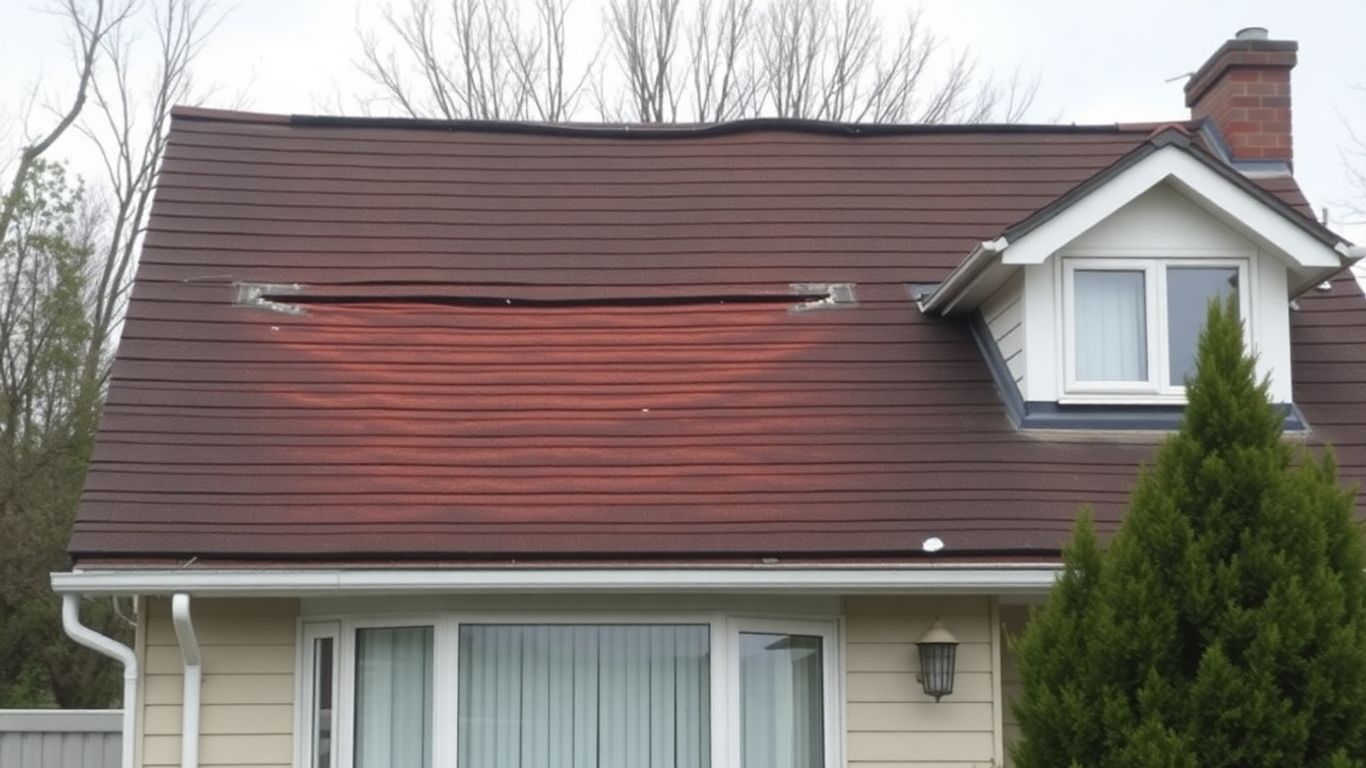
You know, sometimes you just get that feeling, right? You’re looking at your house, maybe from the street or even from inside, and something just looks… off. With roofs, one of the most unsettling things you might notice is a sagging or uneven roofline. This isn’t just an aesthetic issue; it’s a serious structural warning sign.
Think of your roof like the skeleton of your house. The roofline is its shape, and it’s supposed to be straight and even. When you see a dip, a bow, or a general unevenness, it means the structure underneath – the rafters or trusses – might be compromised. This can happen for a few reasons, but the most common culprit is water damage. If water has been pooling and seeping into the wood over time, it can weaken those supports to the point where they start to bend under the weight of the roof.
Another possibility is poor ventilation. If your attic isn’t breathing right, moisture can get trapped, leading to rot and weakening the wooden beams. And sometimes, it’s just a matter of age and the sheer weight of materials, especially if the roof has had multiple layers added over the years without proper structural assessment.
A sagging roofline is a clear indicator that the structural integrity of your roof system is compromised. Ignoring this sign can lead to more extensive damage, including interior water damage and, in severe cases, a potential roof collapse.
Here’s what to look out for:
-
Visible dips or bulges: Walk around your house and look up. Do any sections of the roof appear to be sinking or bulging outwards?
-
Uneven appearance: Does the roofline look straight from one end to the other, or are there noticeable variations?
-
Cracks in interior walls or ceilings: Sometimes, the stress from a sagging roof can cause cracks to appear in the drywall inside your home, especially near the ceiling.
If you spot any of these signs, don’t delay. Get a professional roofer to come out and take a look. They can assess the extent of the damage and recommend the necessary repairs or, more likely, a full roof replacement to ensure your home is safe and sound.
5. Moss and Algae Growth
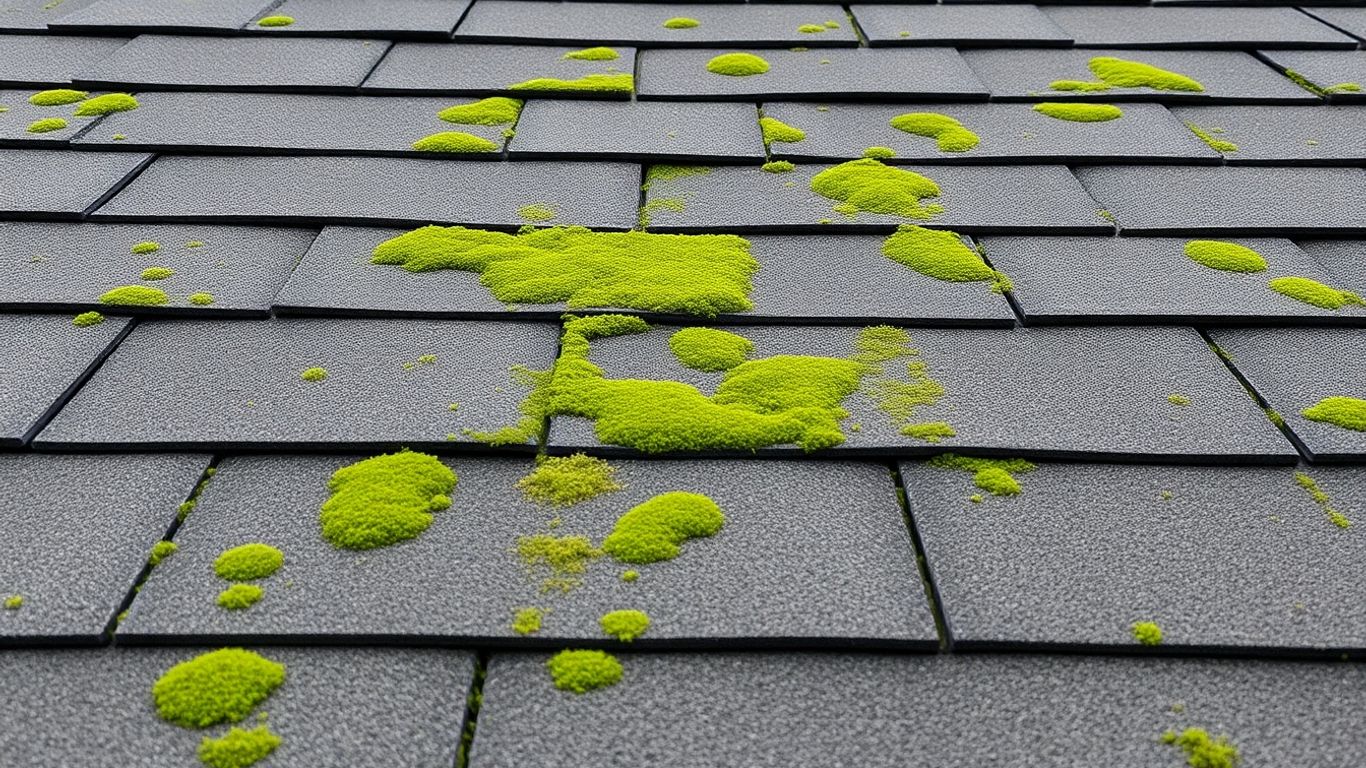
You know, sometimes you look up at your roof and it just looks… fuzzy. That green or even blackish-green stuff growing on there? That’s usually moss or algae. While it might not seem like a big deal at first glance, especially if it’s just a little bit in a shady corner, it’s actually a pretty good indicator that your roof might be getting on in years and needs some attention. This organic growth can trap moisture against your shingles.
Think about it: moss and algae love damp, shady spots. Your roof, especially on the side that doesn’t get much sun, can be the perfect breeding ground. Over time, that trapped moisture can start to break down the shingles. In colder climates, this is even worse because when that moisture freezes and thaws, it can really mess with the protective granules on the shingles, making them brittle and prone to damage. It’s like a slow, steady erosion happening right above your head.
Here’s what to look out for:
-
Visible patches of green or dark, streaky growth on your shingles.
-
Areas of the roof that seem to stay damp longer than others after rain.
-
A general feeling that the roof is holding onto moisture.
Trying to just scrub moss off yourself can be tricky. You have to be careful not to damage the shingles further, and honestly, it often just grows back. It’s a sign that the conditions on your roof are just right for it, and that might mean the roof itself isn’t shedding water as well as it used to.
If you’re seeing a lot of moss or algae, it’s a signal that your roof might be holding onto water. This can lead to bigger problems down the line, especially if you live somewhere with freezing temperatures. It’s worth getting it checked out by a professional.
So, while it might just look like a cosmetic issue, that fuzzy green stuff is actually a warning sign. It means your roof is working harder than it should to keep water out, and it might be time to start thinking about a replacement before that trapped moisture causes more serious damage.
Don’t Wait for Disaster: Act on Roof Warnings
So, you’ve gone through the signs, and maybe a few of them sounded a little too familiar. It’s easy to put off roof work – it feels like a big job, and honestly, who wants to think about it? But ignoring these red flags, like those curling shingles or mysterious water spots in the attic, is just asking for bigger, more expensive problems down the road. Think of your roof as the shield for your whole house. When it starts showing wear and tear, it’s not just about looks; it’s about protecting everything you’ve got inside. Getting a professional to take a look is the best next step. They can tell you for sure if it’s time for a new roof or if a repair will do the trick. Better to be safe and get it sorted before a small issue turns into a major headache.
Frequently Asked Questions
How long do roofs usually last?
Most common asphalt shingle roofs are built to last about 20 to 30 years. Metal or tile roofs can often stick around even longer. But remember, how long a roof actually lasts can depend on the weather in your area and how well it’s taken care of.
What are the first signs I should look for on my roof?
Keep an eye out for shingles that are cracked, curled, or missing. Also, check your gutters for lots of shingle bits, which means the shingles are breaking down. Water stains inside your house or in the attic are also big red flags.
Is moss or algae on my roof a big deal?
While it might not look great, moss and algae growth usually means your roof is holding onto moisture. This can eventually damage the roof material over time, so it’s best to get it checked out.
My energy bills are higher. Could my roof be the cause?
Yes, it’s possible! An old or damaged roof might not keep heat in as well during the winter or keep cool air inside during the summer. This can make your heating and cooling systems work harder, leading to higher bills.
What does a ‘sagging roofline’ mean?
If you see parts of your roof dipping or looking uneven, that’s a sagging roofline. This is a serious sign that the support structure underneath might be damaged, possibly due to water issues or poor airflow.
When should I call a professional for a roof inspection?
It’s a good idea to get your roof checked by a pro if you notice any of the warning signs we’ve talked about, like damaged shingles, leaks, or sagging. Also, if your roof is over 20 years old, it’s smart to get it inspected even if you don’t see obvious problems.
