


Key Takeaways
Improving your home’s exterior involves a thoughtful blend of materials and colors to achieve a balanced look. By integrating roofing and siding properly, you can elevate both the aesthetic appeal and the long-term value of your property.
- Fiber cement and engineered wood offer durable options for modern siding.
- Coordinated color palettes can dramatically alter the perception of a home’s height and width.
- Mixing textures like horizontal siding with stone veneer adds visual depth.
- Proper insulation and moisture management are fundamental to a high-performance exterior.
- Professional installation ensures that your siding investment provides lasting protection and curb appeal.
The synergy between siding and roofing
Creating a cohesive aesthetic across the exterior envelope
When we renovate a home’s exterior, the roof and siding act as the primary visual foundation. Achieving a balanced look requires us to consider how materials transition from the foundation up to the eaves.
Enhancing property value through integrated renovations
An exterior remodel represents a major opportunity to update a home’s character while improving efficiency. When we align our design choices with current architectural trends, we increase the marketability of our houses.
Managing visual weight between the roofline and the foundation
It is essential to strike a balance between the top and bottom of the home so that the house feels grounded and proportionate. Below we outline how different pairings influence the perceived structure of a home.
| Exterior Element | Impact on Curb Appeal | Visual Weight Strategy |
|---|---|---|
| Roofing Material | Primary color driver | Maintain visual balance |
| Main Siding | Defines overall texture | Use contrasting tones |
| Foundation Trim | Grounds the structure | Apply darker shading |
After balancing these elements, the visual hierarchy of the home often becomes much more apparent to visitors and passersby.
Popular modern siding materials for a contemporary look
Benefits of fiber cement for durability and style
Fiber cement provides a robust solution for homeowners seeking the appearance of wood without the high maintenance burden. Its ability to resist rot, insects, and flame makes it a highly practical choice for varied climates.
Using engineered wood for natural aesthetic appeal
Engineered wood captures the warmth and grain of traditional timber while utilizing advanced manufacturing to prevent common wear. Many homeowners find that these boards offer a superior finish for modern designs due to their consistent length and structural reliability.
The low-maintenance advantages of luxury vinyl siding
Vinyl remains a staple for residential projects because of its cost-effectiveness and ease of care. We often recommend it for those who prioritize a streamlined exterior that requires only occasional cleaning to stay in top shape.
Strategies for coordinating siding and roofing colors
Creating high-contrast pairings for a striking modern look
Pairing dark roofs with light-colored siding often defines the sharp lines of modern architecture effectively. This contrast directs the eye and creates a clear boundary between the upper and lower portions of the home.
Utilizing monochromatic palettes for a sophisticated feel
Using variations of the same hue across all exterior surfaces results in a refined and understated appearance. We find that shifting the finish or texture slightly between the roof and siding prevents the home from feeling one-dimensional.
Incorporating neutral earth tones for timeless curb appeal
Neutral tones rely on the natural environment to guide color selection, offering a transition that feels intentional and organic. Our experience shows that these colors harmonize well with landscaping, making them a popular choice for long-term satisfaction.
Architectural styles and modern siding applications
Achieving a clean finish for mid-century modern homes
Mid-century homes demand clean lines and an emphasis on horizontal movement to highlight their geometric heritage. To achieve this, we look for materials that provide a smooth, continuous surface, intentionally reducing visible fasteners.
Updating traditional farmhouse aesthetics with vertical siding
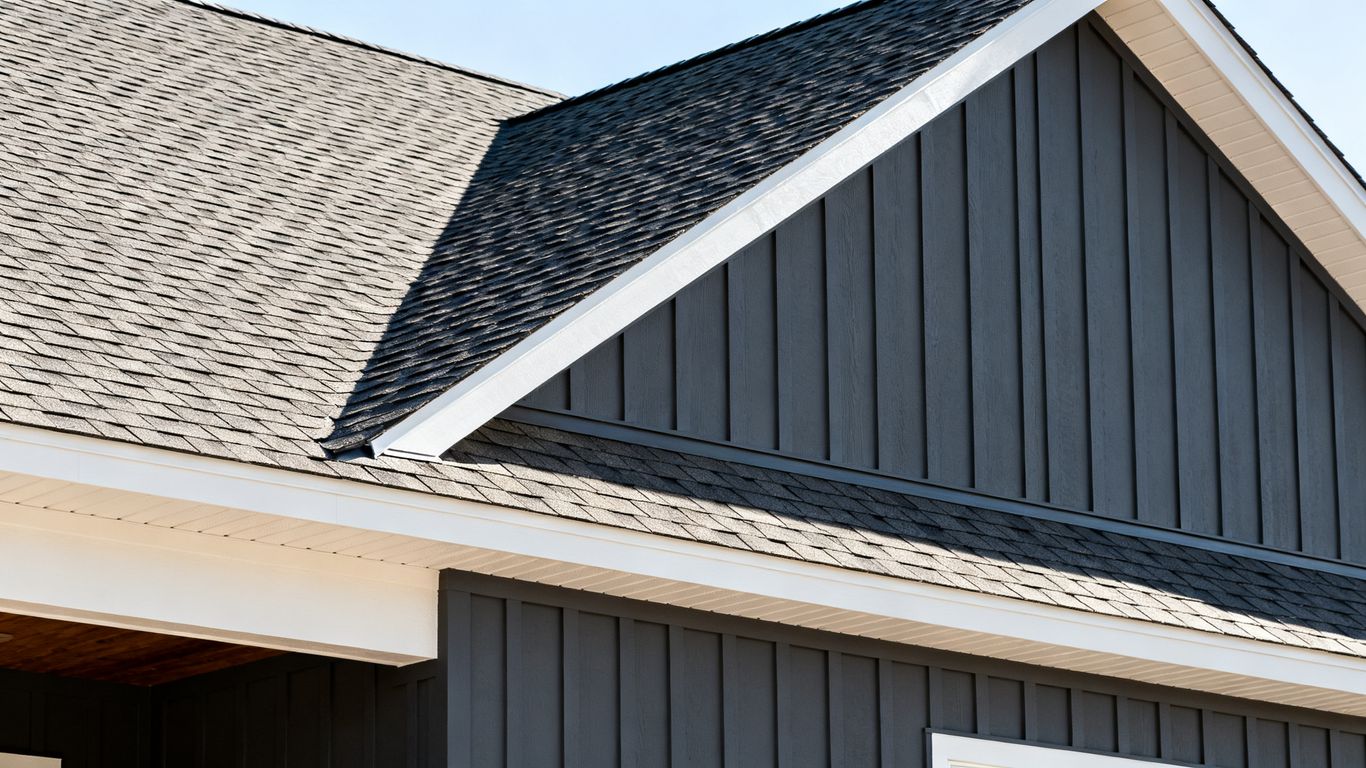
Vertical siding application is a transformative technique that breathes new life into classic farmhouse structures. By drawing the eye upward, this approach increases the perceived height of the home and adds a contemporary edge to traditional gables.
Selecting appropriate profiles for bungalow or craftsman renovations
Craftsman homes are defined by their unique mix of materials, making the selection of siding profiles a delicate task. We suggest sticking to classic, wider lap boards that complement the substantial trim and bracket work typical of these styles.
Incorporating textures and accents for visual interest
Mixing horizontal and vertical siding patterns
Combining different siding orientations can break up large, flat facades and add a sense of intrigue. We have found that placing vertical boards on gables and horizontal boards on main walls creates a successful visual rhythm.
Using manufactured stone veneer as a structural focal point
Stone veneer provides a tactile contrast that grounds the home and enhances its architectural detail. When integrated strategically, it guides the viewer toward key elements like entryways or foundation columns.
Defining the exterior frame with intentional trim and shutters
Trim choice is crucial, as it acts as the border of our architectural design. We must consider the following factors when selecting trim and accents to frame the home:
- Contrast levels against the siding color
- Material thickness and environmental resilience
- Consistency of the corner board styles
- Ease of future repainting or maintenance
Careful application of these accents ensures the entire facade appears unified and carefully curated.
Technical considerations for a high-performance exterior
Evaluating insulation properties to improve energy efficiency
Modern residential projects require us to look beneath the surface to ensure thermal performance. The right siding helps maintain internal temperatures, directly impacting the long-term energy costs for the residents.
Importance of professional ventilation and moisture barriers
Without adequate ventilation behind the siding, moisture buildup can lead to unseen structural deterioration over time. Our standard practice includes installing robust barriers that allow the wall system to breathe while protecting the interior from leaks.
Matching siding thickness and material grade to regional climate demands
Climate dictates the longevity of any exterior material, so we prioritize grade and thickness based on local weather patterns. Heavier-duty materials are often required for areas prone to high winds or extreme temperature swings to ensure your investment remains secure for decades.
Conclusion
Selecting the right combination of modern siding for curb appeal is a balancing act of style, technical performance, and personal preference. By focusing on material durability and cohesive color coordination, you can transform your home into a beautiful and efficient space. We encourage you to view each component of your exterior as a part of a larger, integrated system that serves both the aesthetic and functional needs of your household.
Frequently Asked Questions
How often should I inspect my siding for potential damage?
We recommend a thorough visual inspection at least twice a year, as well as after any major storm events, to look for loose panels, warping, or moisture issues.
What are the main signs that siding needs to be replaced?
Common indicators include persistent bubbling, rotting boards, significant fading, or physical cracks that allow water to penetrate the protective shell of your home.
Can new siding improve the energy efficiency of my house?
Yes, installing modern siding, especially when paired with an updated moisture barrier and insulation layer, can significantly reduce heat loss and improve your home’s thermal performance.
How do I choose the right color for my siding and roof?
Consider the architectural style of your home, local neighborhood trends, and the inherent lighting of your lot, keeping in mind that high-contrast pairings are popular for a modern look.
Is it possible to mix different types of siding on one house?
Mixing materials and textures is an excellent way to add visual depth to your exterior, provided that you choose complementary styles and ensure proper transitions between materials.
How long does a typical siding installation take?
Timeline varies based on the size of your home and the complexity of the design, but most residential projects can be completed in just a few days with a professional crew.
Does vertical siding work on all types of homes?
While vertical siding is especially popular for farmhouse styles, it can be adapted to many homes to add height and a modern flair, depending on the specific profile and installation pattern used.
