


We’re all looking for ways to make our homes more comfortable and save a little money, right? One area that often gets overlooked is our roof. But what if we told you that upgrading your roof could significantly impact your energy bills and your home’s overall performance? We’re going to explore the world of energy efficient roofing and why it’s a smart move for homeowners.
Key Takeaways
- Installing energy efficient roofing can lead to lower cooling costs, especially in warm weather, by reflecting sunlight and reducing heat absorption.
- These roofs also help keep homes warmer in winter by minimizing heat transfer, contributing to lower heating bills.
- Choosing energy efficient roofing materials can decrease your home’s carbon footprint and help combat the urban heat island effect.
- Homeowners might qualify for financial incentives like tax credits or rebates, and energy efficient roofs can increase a home’s resale value.
- Proper installation, including good ventilation and sealing air leaks, is vital for energy efficient roofing to perform at its best.
Understanding Energy Efficient Roofing
When we talk about energy efficient roofing, we’re really looking at how our roofs can help keep our homes more comfortable and use less energy. It’s not just about keeping the rain out anymore; modern roofing can play a big part in managing the temperature inside our houses. This means less strain on our heating and cooling systems, which is good for our wallets and the planet.
What Constitutes Energy Efficient Roofing?
So, what makes a roof ‘energy efficient’? It’s a combination of factors, really. Think about materials that reflect sunlight instead of absorbing it, or systems that allow air to move freely, preventing heat buildup. It also involves how well the roof is put together, making sure there aren’t gaps where conditioned air can escape. Essentially, an energy efficient roof works to minimize unwanted heat gain in the summer and heat loss in the winter.
How Energy Efficient Roofing Works
The main idea behind energy efficient roofing is to manage heat transfer. In the summer, the sun beats down, and a standard dark roof can get incredibly hot, transferring that heat into your attic and then into your living space. Energy efficient roofs combat this. They might use special materials that bounce sunlight away, or they might have features that allow hot air to escape from the attic. In the winter, the goal is reversed: keeping the heat inside. Good insulation and proper sealing are key here, preventing warm air from escaping through the roof.
The Role of Reflectivity in Roofing
Reflectivity, often called ‘cool roofing,’ is a big deal, especially in warmer areas. Dark surfaces absorb a lot of solar energy, making them hot to the touch. Light-colored or specially coated roofing materials, however, reflect a significant portion of that sunlight. This means less heat is absorbed by the roof, and consequently, less heat gets into your home. It’s a straightforward concept with a noticeable impact on how much you rely on your air conditioner. We’ve seen studies showing that reflective roofs can be significantly cooler than traditional ones.
- Surface Color: Lighter colors generally reflect more sunlight.
- Material Properties: Some materials naturally have higher reflectivity.
- Coatings: Special coatings can be applied to existing or new roofs to boost reflectivity.
The amount of sunlight a roof reflects is measured by its solar reflectance. A higher number means more reflection and less heat absorption. This is a key metric when evaluating cool roofing options.
Reducing Your Home’s Energy Consumption
When we think about making our homes more energy efficient, the roof often doesn’t come to mind first. But it really should. A significant amount of heat can enter or escape through your roof, directly impacting how much energy we use to keep our homes comfortable year-round. By installing an energy-efficient roof, we can make a real difference in our energy bills and how much power our homes consume.
Lowering Cooling Costs in Warmer Climates
In places where the sun beats down for much of the year, our roofs work overtime trying to keep the heat out. Traditional dark roofs absorb a lot of solar energy, turning your attic into an oven. This means your air conditioner has to work much harder and longer to cool your home. Energy-efficient roofing materials, often called ‘cool roofs,’ are designed to reflect more sunlight and absorb less heat. This simple change can lead to a noticeable drop in your cooling costs. We’ve seen studies showing that reflective roofs can reduce the amount of heat absorbed by up to 75%, which translates directly into savings on our electricity bills during those hot summer months.
Minimizing Heat Transfer During Colder Months
It’s not just about the summer heat. In colder climates, our roofs also play a role in keeping the warmth inside our homes. A well-insulated and energy-efficient roof helps to minimize heat loss from the living spaces below. This means our heating systems don’t have to run as often to maintain a comfortable temperature. Think of it like wearing a good coat in winter; it keeps the heat in. By reducing heat transfer, we use less energy for heating, which is a big win when those winter bills arrive.
The Impact on Overall Household Energy Bills
When we combine the savings from reduced cooling in the summer and less heating in the winter, the impact on our total household energy bills can be quite substantial. It’s not just about one season; it’s about year-round efficiency. We’re looking at a more stable and lower energy spend month after month. This consistent reduction in energy use contributes to a more predictable budget and less worry about fluctuating energy prices. It’s a smart move for our wallets and for making our homes more sustainable.
Environmental Advantages of Energy Efficient Roofing
When we think about upgrading our homes, we often focus on comfort and cost savings. But there’s a bigger picture to consider, and that’s the positive impact energy efficient roofing has on our environment. It’s not just about keeping our houses cool or warm; it’s about making a difference in the world around us. Choosing a cooler roof is a simple yet effective way we can contribute to a healthier planet.
Decreasing Your Carbon Footprint
Every bit of energy we save in our homes translates directly into fewer emissions from power plants. When our roofs reflect more sunlight and keep our attics cooler, our air conditioning systems don’t have to work as hard. This reduced demand for electricity means less coal, natural gas, or other fossil fuels are burned. Over time, this adds up. For us, it means a smaller carbon footprint, which is a measure of our impact on climate change. It’s a tangible way we can lessen our contribution to greenhouse gases, simply by making a smart choice for our homes.
Contributing to Urban Heat Island Mitigation
Cities tend to be hotter than surrounding rural areas, a phenomenon known as the urban heat island effect. This happens because buildings, roads, and other surfaces absorb and retain heat. Traditional dark roofs are major contributors to this problem. By installing reflective, energy-efficient roofing materials, we help reduce the amount of heat absorbed by our homes and, by extension, our neighborhoods. This can lead to lower ambient temperatures in urban areas, making them more comfortable and reducing the need for widespread air conditioning, which further exacerbates the heat island effect. It’s a collective benefit that starts with individual choices.
Promoting Sustainable Building Practices
Opting for energy-efficient roofing sends a message to the building industry. It shows that consumers are interested in products and methods that are better for the environment. This demand encourages manufacturers to develop and improve sustainable materials and encourages builders to adopt greener construction techniques. It’s part of a larger movement towards building homes that are not only comfortable and affordable but also responsible stewards of our natural resources. We are, in essence, voting with our wallets for a more sustainable future in construction.
Financial Incentives and Long-Term Savings
When we think about upgrading our homes, the upfront cost can seem a bit much. But with energy-efficient roofing, there are ways to make it more manageable, and it really pays off over time. We can often tap into financial incentives that make the initial investment easier to handle.
Potential Tax Credits and Rebates
Many governments and local utility companies want to encourage homeowners to make energy-saving improvements. This means we might be able to get money back through tax credits or rebates. These programs can significantly lower the net cost of installing a new, efficient roof. It’s worth looking into what’s available in our area before we start the project. Sometimes these programs are seasonal or have specific requirements, so checking the details is important.
Increased Home Value and Marketability
A roof that’s built for energy efficiency isn’t just good for our wallets; it’s good for our home’s resale value too. Buyers are increasingly aware of energy costs and environmental impact. A newer, efficient roof can make our home stand out in the market. It signals lower utility bills for the next owner and a well-maintained property. This can lead to quicker sales and potentially higher offers.
Durability and Reduced Maintenance Costs
Energy-efficient roofing materials are often designed to be more durable than standard options. They can better withstand harsh weather, UV rays, and temperature fluctuations. This means fewer repairs over the years and a longer lifespan for the roof itself. Less frequent replacement means less money spent on maintenance and installation down the road. It’s a long-term investment that keeps giving back by reducing those unexpected repair bills and the need for premature replacement.
Here’s a look at how different materials might compare in terms of lifespan:
| Material Type | Typical Lifespan |
|---|---|
| Standard Asphalt Shingles | 15-30 years |
| Cool Roof Shingles | 20-30 years |
| Metal Roofing | 40-70 years |
| High-Performance Membranes | 20-50 years |
Investing in a roof that actively works to keep our homes comfortable year-round can lead to substantial savings. It’s not just about the initial purchase; it’s about the ongoing benefits that reduce our expenses and improve our living situation.
Choosing the Right Energy Efficient Roofing Materials
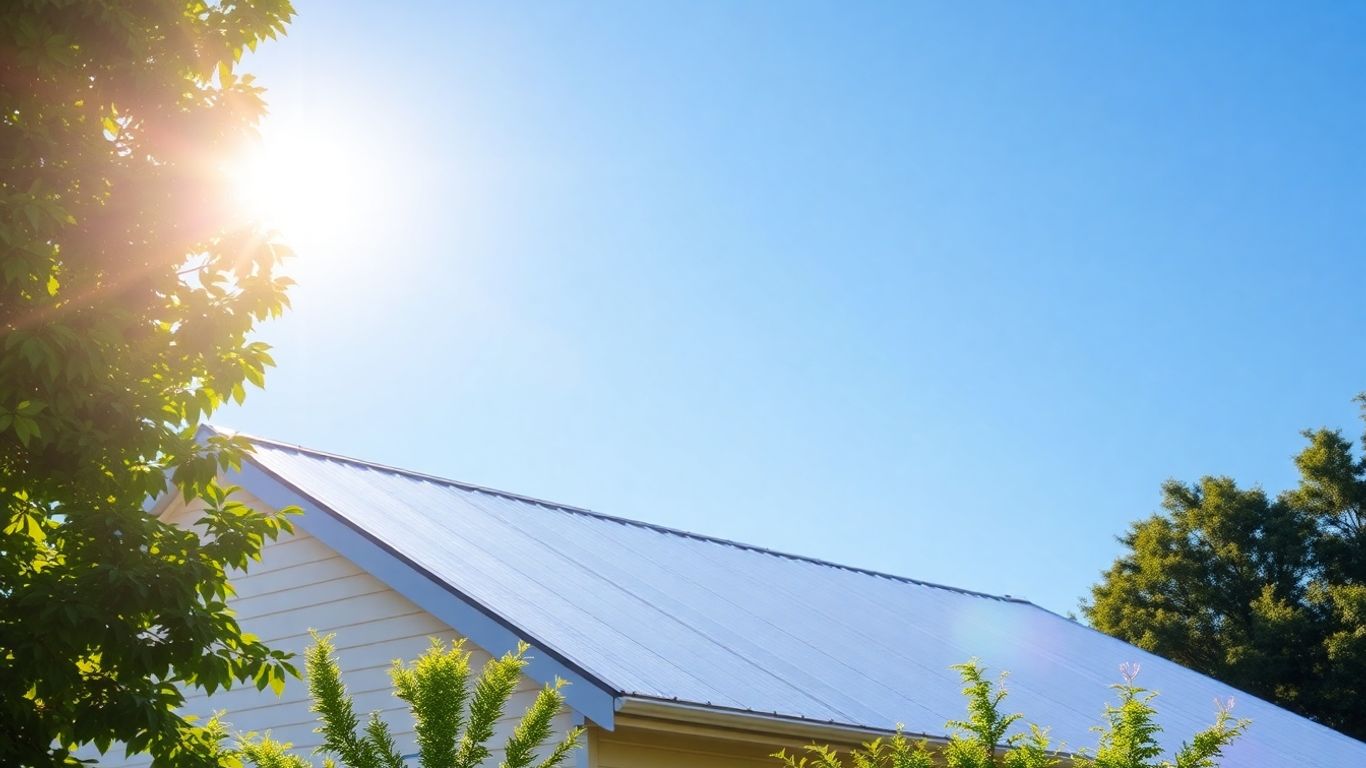
Selecting the correct materials for your roof is a big step when aiming for better energy efficiency. We’ve found that not all roofing products are created equal when it comes to reflecting the sun’s rays or keeping heat out. It’s about making smart choices that pay off over time.
Cool Roof Shingles and Membranes
These are specifically designed to be more reflective than standard roofing. Think of them as wearing light colors on a hot day. Cool roof shingles often have special granules that bounce sunlight back. Membranes, typically used on flat or low-slope roofs, can be made from materials like TPO or PVC that are inherently white or have a reflective coating. These options can significantly reduce the amount of heat absorbed by your home. We’ve seen studies showing a drop in roof surface temperatures by as much as 50 degrees Fahrenheit compared to traditional dark roofs. This means less work for your air conditioner.
Metal Roofing with Reflective Coatings
Metal roofs have always been durable, but when you add a reflective coating, they become energy efficiency powerhouses. These coatings are not just paint; they are specially formulated to reflect solar radiation. Metal itself is also good at shedding heat quickly once the sun goes down. We like metal because it lasts a long time and can often be installed over an existing roof, saving on tear-off costs. The variety of colors available also means you don’t have to sacrifice aesthetics for performance. We’ve noticed that the initial cost might be higher, but the long-term savings on energy and the lifespan of the roof make it a solid investment.
Advanced Insulation Techniques for Roofs
While the roofing material itself is important, how it works with the rest of your roof system matters too. This includes the insulation in your attic or directly beneath the roof deck. Spray foam insulation, for example, can create a tight seal, preventing air leaks and adding a significant R-value (a measure of thermal resistance). We also see benefits from rigid foam boards installed above the roof deck, which create a continuous thermal barrier. Proper ventilation is also key; it allows hot air to escape from the attic space, further reducing heat buildup. It’s a system approach, and each part plays a role in keeping your home comfortable and your energy bills down.
Installation Considerations for Optimal Performance
When we install an energy-efficient roof, we’re not just putting on new shingles; we’re building a system designed to work with your home. Getting it right from the start means your roof will perform as intended for years to come. We need to pay attention to a few key areas to make sure we get the most out of your investment.
Proper Ventilation for Roof Systems
Ventilation is a big deal for any roof, but it’s especially important for energy-efficient ones. Good airflow helps remove heat and moisture that can build up in the attic space. Without it, your new cool roof might not be as cool as it could be, and in colder months, moisture can lead to problems like mold or rot. We aim for a balanced system, usually with intake vents at the eaves and exhaust vents at the ridge. This continuous flow of air keeps the attic temperature more stable, reducing the load on your air conditioning in the summer and preventing ice dams in the winter. Proper attic ventilation is key to maximizing the benefits of your energy-efficient roofing.
Sealing Air Leaks in the Attic
Before we even think about the roofing materials, we look at what’s happening inside your attic. Air leaks are like little highways for conditioned air to escape your home and unconditioned air to get in. We find these leaks by looking for gaps around light fixtures, plumbing vents, attic hatches, and where walls meet the ceiling. Sealing these up with caulk or spray foam makes a significant difference in your home’s overall energy use. It stops that expensive heated or cooled air from just drifting away into the attic. It’s a step that often gets overlooked, but it really helps your new roof system perform better.
Working with Certified Roofing Professionals
Choosing who installs your roof matters. Not all roofers have the same training or understand the specific requirements of energy-efficient systems. We make sure our team is certified and up-to-date on the best practices for installing cool roofs, reflective coatings, and proper ventilation. This means we know how to handle different materials and how to integrate them with your existing home structure for the best results. It’s about more than just aesthetics; it’s about performance and longevity. We want to make sure your roof is installed correctly the first time, so you don’t have to worry about it later.
Making the Smart Choice for Your Home
So, we’ve talked a lot about how putting on a new, energy-efficient roof can really make a difference. It’s not just about keeping the rain out, though that’s important. We’re looking at saving money on our energy bills month after month, which adds up. Plus, we’re doing a good thing for the environment by using less power. It might seem like a big project at first, but when you think about the long-term benefits for our wallets and the planet, it just makes sense. We can all feel good about making a choice that helps our homes stay comfortable and our communities a little greener.
Frequently Asked Questions
What makes a roof ‘energy efficient’?
An energy-efficient roof is designed to help keep your home cooler in the summer and warmer in the winter. This is often achieved through special materials that reflect sunlight or by adding extra insulation. Think of it like wearing light colors on a hot day; they don’t soak up as much heat.
How does a cool roof help save money?
A cool roof reflects more sunlight and absorbs less heat than a traditional dark roof. This means your air conditioner doesn’t have to work as hard to cool your home during hot weather. Less work for the AC usually translates to lower electricity bills, especially in sunny areas.
Can an energy efficient roof help in cold weather too?
Yes, it can! While reflecting sun is great for summer, good insulation in an energy-efficient roof also helps keep the heat inside your home during the winter. This means your heating system won’t need to run as much, saving you money on heating costs.
Are there any government programs that help pay for these roofs?
Sometimes there are. Many places offer tax credits or rebates for homeowners who install energy-saving improvements, like efficient roofing. It’s a good idea to check with your local government or utility company to see what might be available in your area.
What kind of materials are used for energy efficient roofs?
We often see materials like special shingles that are lighter in color and designed to reflect light. Metal roofs with reflective coatings are also popular. Sometimes, advanced insulation is added beneath the roofing material to boost its energy-saving power.
Does installing an energy efficient roof help the environment?
Absolutely. By using less energy for heating and cooling, we reduce the demand for electricity, which often comes from burning fossil fuels. This means we put fewer greenhouse gases into the air, helping to fight climate change. It also helps cool down cities, which can get very hot.
