


Picking the right roof for your business building can feel like a big deal. It’s not just about keeping the rain out, you know? It affects how much you spend on energy, how often you’ll need repairs, and even how safe the place is. With so many choices out there, it’s easy to get confused. We’re going to break down the different kinds of commercial roofing systems and what you should think about before you make a choice. It’s a big investment, so let’s make sure it’s the right one for your business.
Key Takeaways
-
When picking a commercial roof, think about what your building is used for. A warehouse might need something tough and cheap to fix, while an office building could benefit from a roof that helps keep energy costs down.
-
Your local weather matters a lot. If you get a lot of sun, a reflective roof can save you money on cooling. If you have harsh winters, you’ll want something that holds up to snow and ice.
-
Don’t just look at the price tag. Some roofs cost more at first but last much longer and need fewer repairs, saving you money in the long run.
-
Keeping your roof in good shape with regular check-ups and cleaning gutters can prevent small problems from turning into expensive disasters.
-
When it’s time for a new roof or repairs, find a contractor who knows commercial roofs well, is licensed, insured, and has good reviews. Ask about their warranties too.
Understanding Your Commercial Roofing Options
Picking the right roof for your business isn’t just about keeping the rain out. It’s a big decision that affects your building’s safety, how much you spend on energy, and even how comfortable your employees and customers are. With so many choices out there, it’s easy to get lost. That’s why it’s important to get a handle on the main types of commercial roofing systems available before you commit. We’ll go over the most common ones and what to think about when you’re choosing.
Popular Commercial Roofing Systems
Commercial roofing today has come a long way from just a few basic options. Now, businesses can choose from a range of materials and technologies, each with its own set of pros and cons. The best choice really depends on your specific building, where it’s located, and what you need it to do.
Here are some of the most common systems you’ll find:
-
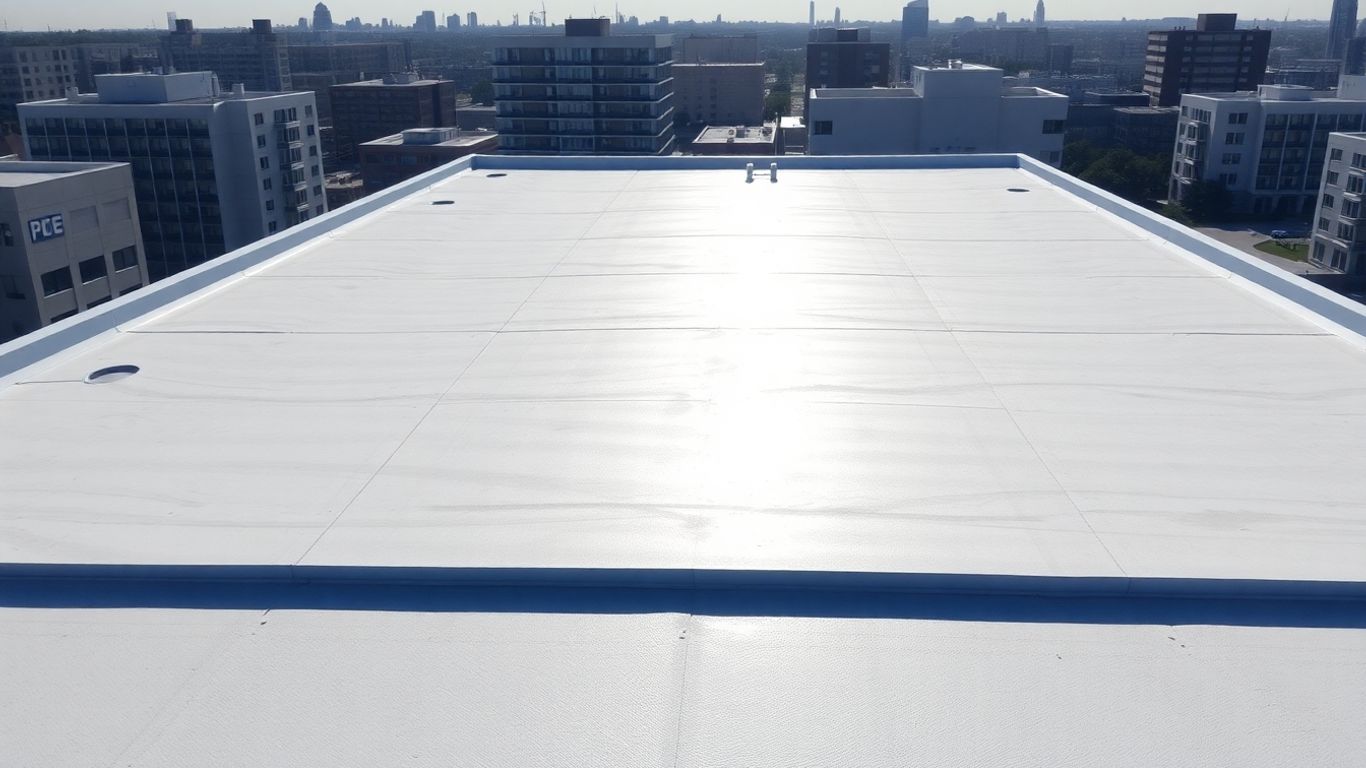
TPO (Thermoplastic Polyolefin): This is a popular single-ply membrane, often white, which is great for reflecting sunlight and can help lower your cooling bills. It’s also pretty tough against UV rays and punctures.
-
EPDM (Ethylene Propylene Diene Monomer): Think of this as a heavy-duty rubber roofing. It’s known for being long-lasting and can handle a lot of weather. Its flexibility is also a plus, especially if your building structure shifts a bit.
-
Metal Roofing: These systems, made from steel, aluminum, or copper, are built to last. They offer great durability and fire resistance, and many can last for decades with just basic upkeep. They’re a common sight on warehouses and industrial buildings.
-
Modified Bitumen: This is an asphalt-based material that’s good for roofs that aren’t very sloped. It’s put on in layers and is designed to be really waterproof and hold up well.
Key Considerations for Business Roofs
When you’re looking at different roofing systems, there are a few big things to keep in mind. It’s not just about the material itself, but how it fits with your business and your property.
-
Building Use: What goes on inside your building? A restaurant with a lot of grease in the air might need a different material than an office building. Think about any chemicals or specific conditions your roof might face.
-
Climate: Where you are matters a lot. If you’re in a really hot, sunny place, a reflective roof like TPO can make a big difference in keeping your building cool. In colder areas, you might want something that offers better insulation to keep heating costs down.
-
Budget: Of course, cost is always a factor. Some materials are cheaper upfront, but might cost more over time in repairs or energy bills. Others have a higher initial price but can save you money in the long run.
-
Longevity: How long do you expect the roof to last? If you’re looking for a solution that you won’t have to worry about for 30 or 40 years, you’ll lean towards more durable options like metal or EPDM.
Materials Used in Commercial Roofing
Commercial roofs are built using a variety of materials, and each has its own strengths. Understanding these materials is the first step to making a good choice for your business.
|
Material Type |
Common Forms |
Key Characteristics |
|---|---|---|
|
Single-Ply Membranes |
TPO, EPDM, PVC |
Flexible sheets, often white or black, good for low-slope roofs, UV resistant options |
|
Metal Roofing |
Steel, Aluminum, Copper, Standing Seam |
Durable, fire-resistant, long-lasting, can be reflective, various profiles |
|
Asphalt-Based |
Modified Bitumen, Built-Up Roofing (BUR) |
Layered application, excellent waterproofing, good for low-slope, can be heavy |
|
Other |
Spray Polyurethane Foam (SPF), Green Roofs |
Seamless insulation, reflective properties, environmental benefits, requires specialized installation |
Choosing the right roofing system is a significant investment. It’s wise to consult with a commercial roofing professional who can assess your building’s specific needs and local climate to guide you toward the most suitable and cost-effective solution for long-term protection and performance.
Factors Influencing Your Commercial Roofing Choice
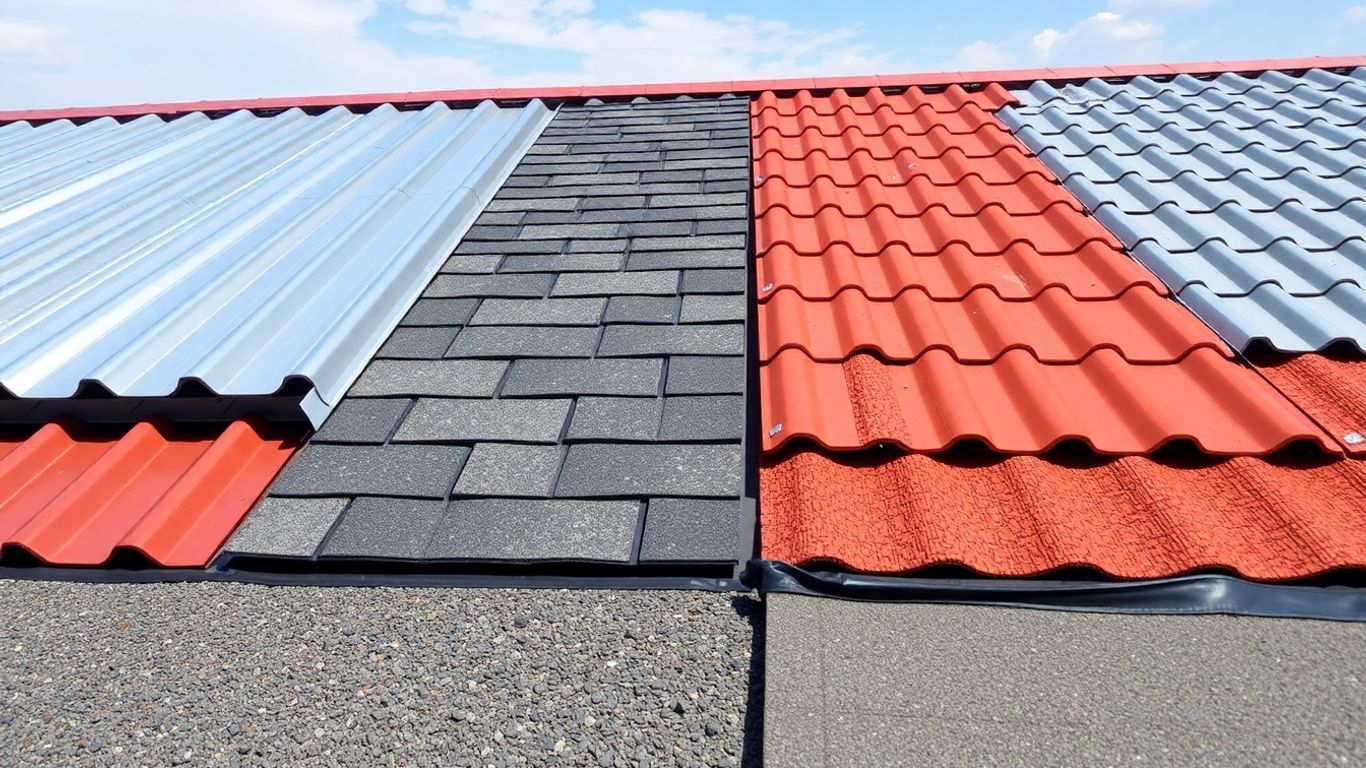
Choosing the right roof for your business isn’t just about picking something that looks okay; it’s a big decision that affects your building’s performance, your operating costs, and even the comfort of everyone inside. Think of it like picking the right jacket for the weather – you wouldn’t wear a light windbreaker in a blizzard, right? Your building needs protection tailored to its specific situation. Several key things come into play when you’re trying to figure out the best roofing system.
What exactly happens in your building? This is probably the most important question to ask. A warehouse storing goods might prioritize a tough, no-nonsense roof that can handle the elements without costing a fortune. On the other hand, an office building where people work all day might benefit more from a roof that helps keep the temperature steady, cutting down on heating and cooling bills. Retail spaces often need a roof that’s not only strong but also looks good from the street, contributing to the overall curb appeal. For industrial sites, you might need something that can stand up to chemicals or extreme heat. Basically, the roof needs to support whatever your business does.
Where your building sits makes a huge difference. If you’re in a place that gets a lot of sun and heat, a roof that reflects sunlight can save you a lot of money on air conditioning. Think of materials like TPO or PVC that bounce those rays away. If you’re in a colder area, you’ll want a roof that provides good insulation to keep the warmth in during the winter, reducing your heating expenses. Metal roofs, for instance, are known for being tough and can handle pretty rough weather, whether it’s snow, wind, or hail. It’s all about matching the roof to the local weather patterns.
Let’s be real, cost is always a factor. You’ve got to figure out what you can afford right now. But it’s also super important to think about the long run. A cheaper roof upfront might end up costing you more down the line if it needs constant repairs or has to be replaced sooner than expected. Sometimes, spending a bit more on a higher-quality system that lasts longer and needs less maintenance is the smarter financial move. You’re looking for the best value, not just the lowest price tag.
This ties into climate, but it’s worth its own point. A roof can be a major player in how much energy your building uses. Some roofing materials are designed to reflect sunlight, which keeps the building cooler. Others offer better insulation, which helps maintain a consistent temperature inside. Choosing an energy-efficient roof can lead to noticeable savings on your utility bills year after year. It’s a win-win: good for your wallet and good for the environment.
When you’re looking at roofing options, don’t just focus on the initial price. Consider how the material will perform over time, how much maintenance it will need, and how it will affect your building’s energy use. A little extra research now can save you a lot of headaches and money later on.
Evaluating Different Commercial Roofing Systems
Picking the right roof for your business can feel like a big decision, and honestly, it is. It’s not just about what looks good; it’s about how well it protects your building, how much it costs over time, and how much energy it uses. We’ve looked at the general stuff, now let’s get into the nitty-gritty of some of the most common systems out there. Understanding these will help you talk to contractors and make a choice you won’t regret.
Thermoplastic Polyolefin (TPO) Advantages
TPO is a popular choice for a reason. It’s a single-ply membrane, meaning it’s one big sheet laid over your roof. Think of it like a really tough, flexible blanket. One of the biggest pluses is its reflectivity. Most TPO is white, which means it bounces sunlight away instead of soaking it up. This can really cut down on your cooling bills in the summer. Plus, it’s pretty good at resisting punctures and tears, which is handy if you have a lot of foot traffic on the roof or if hail is a common problem in your area. It’s also generally more affordable than some other options, making it a solid contender for many businesses.
Ethylene Propylene Diene Monomer (EPDM) Benefits
EPDM, often called rubber roofing, is another single-ply option that’s been around for a while. It’s known for being really durable and flexible. This flexibility is a big deal, especially if your building settles or experiences a lot of temperature changes. EPDM can handle that movement without cracking. It’s also highly resistant to UV rays and general weathering, so it holds up well against the elements. While it’s often black, which absorbs more heat, it’s still a reliable and cost-effective choice, especially for buildings that need a roof that can take a beating and keep on going. It’s a good option if you’re looking for something that lasts and doesn’t require a ton of upkeep.
Metal Roofing Durability and Longevity
Metal roofs are the heavyweights of the commercial roofing world. We’re talking steel, aluminum, copper – materials that can last for decades, sometimes 50 years or more, with the right care. They’re incredibly strong, resistant to fire, and can handle pretty extreme weather. While the initial cost might be higher than TPO or EPDM, the long-term value is significant. Think about it: fewer repairs, less frequent replacement. Metal roofs are also great for energy efficiency, especially lighter colors that reflect heat. They’re a smart investment if you plan to stay in your building for a long time and want a roof that’s practically maintenance-free. You can find out more about different metal roofing options.
Modified Bitumen for Low-Slope Roofs
Modified bitumen, or
Enhancing Your Existing Commercial Roof
Sometimes, a full roof replacement isn’t in the cards, or maybe your current roof is still in decent shape but could use a little help. That’s where roof enhancements come in. Think of it like giving your car a tune-up instead of buying a whole new one. It can save you a good chunk of change and keep your building protected.
Roof Coatings for Extended Lifespan
Roof coatings are pretty neat. They’re basically liquid membranes that you can apply to your existing roof. Once they cure, they form a seamless, waterproof layer. This new layer can shield your roof from the elements, stop small leaks before they start, and even reflect sunlight to keep your building cooler.
-
Reflectivity: Many coatings, especially white ones, bounce sunlight back, which can really cut down on your cooling bills during the summer.
-
Waterproofing: They seal up cracks and seams, preventing water from getting in where it shouldn’t.
-
Protection: They add a layer of defense against UV rays and general wear and tear.
Applying a coating is usually a lot less disruptive than a full replacement. You can often get it done in a day or two, depending on the size of your roof. It’s a smart way to get more life out of your current system. If you’re looking for ways to protect your investment, checking out roof coatings is a good idea.
Benefits of Roof Refurbishment
Refurbishment is a bit broader than just coatings. It can involve minor repairs, sealing up problem areas, and sometimes even adding a new layer of material over the existing one. It’s about bringing your roof back to a better state of functionality and appearance.
-
Cost Savings: Generally cheaper than a full replacement.
-
Improved Performance: Fixes leaks and strengthens weak spots.
-
Aesthetic Improvement: Can make an older roof look much better.
Sometimes, a professional inspection will reveal that your roof has several years of good service left, but it needs some targeted work. Refurbishment addresses these specific issues, making it a practical choice for many business owners. It’s all about making smart, informed decisions for your property’s upkeep.
The Importance of Commercial Roof Maintenance
Think of your commercial roof as the unsung hero of your business. It’s up there, doing its job day in and day out, protecting everything and everyone underneath. But just like any hardworking hero, it needs a little attention to keep performing at its best. Skipping out on regular maintenance might seem like a way to save a buck in the short term, but trust me, it’s a gamble that rarely pays off. Ignoring your roof can lead to a cascade of problems, from annoying leaks to serious structural damage, all of which can bring your business to a grinding halt.
Signs Your Commercial Roof Needs Attention
So, how do you know when your roof is trying to tell you something? Keep an eye out for these common red flags:
-
Visible Leaks or Water Stains: This is the most obvious sign. If you’re seeing water spots on your ceiling or walls, water is getting in somewhere. Don’t wait for a downpour to confirm it.
-
Curling, Buckling, or Missing Shingles/Membranes: Whether you have shingles or a membrane system, if parts of it are lifting, peeling, or just plain gone, it’s an open invitation for water.
-
Age of the Roof: Most commercial roofing systems have a lifespan, usually between 15 to 30 years depending on the material. If yours is getting up there, it’s wise to start thinking about its future, even if it’s not actively leaking.
-
Frequent, Recurring Repairs: If you’re constantly calling someone out to fix the same spot or a similar issue, it might be more cost-effective to address the root cause with a more permanent solution, like a repair or even a replacement.
Proactive care is always less disruptive and less expensive than emergency repairs. A little bit of regular upkeep can save you a whole lot of headaches and money down the road.
Essential Commercial Roof Maintenance Tasks
Keeping your roof in good shape doesn’t have to be complicated. Here are some key tasks to focus on:
-
Regular Inspections: Schedule professional inspections at least twice a year, ideally in the spring and fall. This helps catch small issues before they become big problems.
-
Clean Gutters and Drains: Clogged gutters and drains are a major culprit for water pooling on your roof. Make sure they’re clear of leaves, debris, and anything else that might block water flow.
-
Address Minor Damage Promptly: Found a loose piece of flashing? Noticed a small puncture in the membrane? Get it fixed right away. Small problems rarely stay small.
-
Check for Ponding Water: After a rain, take a look to see if water is sitting on your roof for more than 48 hours. This indicates a drainage issue that needs attention.
Preventing Costly Repairs Through Upkeep
It’s pretty simple, really. The more you invest in maintaining your roof, the less you’ll spend on unexpected, major repairs or premature replacement. Think of it like taking care of your car; regular oil changes and tune-ups prevent catastrophic engine failure. The same logic applies to your commercial roof. By staying on top of maintenance, you’re not just protecting your building; you’re protecting your business’s bottom line and ensuring a safe environment for your employees and customers. A well-maintained roof is a sound investment in your business’s future.
Choosing the Right Commercial Roofing Contractor
So, you’ve figured out the best type of roof for your business, which is great. But hold on, the job isn’t done yet. Picking the right company to actually install or fix that roof is a really big deal. It’s not like picking a pizza topping; this is a major investment that needs to be done right. Getting this wrong can lead to headaches, leaks, and a whole lot of wasted money down the line. Let’s talk about how to find a roofer you can actually trust.
Experience with Commercial Roofs
First things first, you need a contractor who knows their way around commercial roofs. These aren’t the same as residential houses. Commercial buildings often have different structures, materials, and challenges. You want someone who has tackled projects similar to yours before. Ask them about their experience with the specific type of roofing system you’re considering. A roofer who’s great with a small bungalow might not be the best fit for a massive warehouse roof. It’s like asking a bicycle mechanic to fix a semi-truck – different ballgame.
Licensing, Insurance, and Reputation
This is where you really need to do your homework. Always verify that your chosen contractor is properly licensed and insured. This isn’t just a formality; it’s your protection. Licensing shows they meet certain standards set by your local government. Insurance, especially general liability and workers’ compensation, means that if something goes wrong – like an accident on your property or damage to your building – you’re not on the hook for it. A roofer without proper insurance could leave you in a really tough spot legally and financially. Beyond the paperwork, check their reputation. Look for online reviews, ask for references from past clients, and see if they have a portfolio of completed commercial projects. A company with a solid track record and happy customers is usually a safe bet.
Understanding Warranty Options
When a contractor finishes the job, they should offer a warranty. This is basically a promise that their work will hold up. There are usually two types of warranties to consider: the manufacturer’s warranty on the materials and the contractor’s warranty on the labor. Make sure you understand what each covers, how long they last, and what you need to do to keep them valid. Some warranties might be voided if you don’t perform regular maintenance, for example. Don’t be afraid to ask questions until you’re completely clear on the terms. A good warranty gives you peace of mind, knowing that if issues pop up, you’re covered.
Choosing a commercial roofing contractor is a significant decision. Take your time, ask plenty of questions, and don’t settle for the first name you find. Your building’s integrity and your business’s continuity depend on it.
Wrapping It Up: Your Roof, Your Business
So, picking the right roof for your business isn’t just about slapping something on top. It’s a big decision that affects your building, your wallet, and even how comfortable everyone inside is. We’ve talked about different types like TPO, EPDM, and metal, and how things like where you are, your budget, and how you use the building all play a part. Don’t forget to think about how much upkeep each option needs and if it’ll help save on energy bills. The best move now? Talk to a few local roofing pros, get some quotes, and really compare what they’re offering. Choosing a good roof is like investing in your business’s future – do it right, and it’ll serve you well for years to come.
Frequently Asked Questions
What are the main types of commercial roofs available?
There are several popular choices for businesses. You can find single-ply membranes like TPO and EPDM, which are like flexible sheets. Then there are metal roofs, which are very tough and last a long time. Modified bitumen is another option, made from asphalt and good for low-slope roofs. Sometimes, people also use roof coatings to help existing roofs last longer.
How do I pick the best roof for my business?
Choosing the right roof depends on a few things. Think about how you use your building – is it a warehouse, an office, or a store? Also, consider where your building is located because the weather matters a lot. Your budget and how long you want the roof to last are also key factors. It’s smart to look at how energy-efficient different roofs are, too.
Which type of commercial roof lasts the longest?
Metal roofs are known for being super durable and can often last for 40 years or even more if they’re taken care of. EPDM, which is like a rubber roof, is also a very long-lasting option, often going for 30 to 40 years. Both are great choices if you want a roof that stays put for a really long time.
Can a new roof help me save money on energy bills?
Yes, absolutely! Some roofs are designed to be more energy-efficient. For example, TPO roofs are often white and reflect sunlight, which can keep your building cooler in the summer and lower your air conditioning costs. Special roof coatings can also help reflect heat away from your building.
What are some signs that my commercial roof needs attention?
Keep an eye out for leaks or water stains on your ceilings and walls. If you see shingles or parts of the roof material curling, buckling, or missing, that’s a red flag. Also, if your roof is getting old and nearing the end of its usual lifespan, or if you find yourself needing to fix the same problems over and over, it’s probably time to get it checked out or consider a replacement.
What should I look for when hiring a commercial roofing contractor?
When you’re looking for someone to work on your roof, make sure they have plenty of experience with commercial buildings and the specific type of roof you want. It’s important that they are licensed and insured to protect you. Check their reputation by reading reviews or looking at past projects. Also, ask about the warranties they offer on both the materials and their work.
