


When thinking about your roof, consider the big picture. Energy-efficient roofing offers a lot more than just protection from the weather. Here are the main points to remember about why making the switch is a good idea.
Key Takeaways
- Energy-efficient roofs help lower your monthly utility bills by reducing the need for air conditioning and heating.
- These roofs keep your home at a more steady temperature, making it feel better inside, no matter the season.
- By reflecting sunlight, cooler roofs help reduce the overall heat in cities, which is good for the environment.
- Materials used in energy-efficient roofs are often built to last longer, standing up better to sun and storms.
- A home with an energy-efficient roof can be more attractive to buyers and might sell for more money.
Understanding Energy Efficient Roofing Benefits
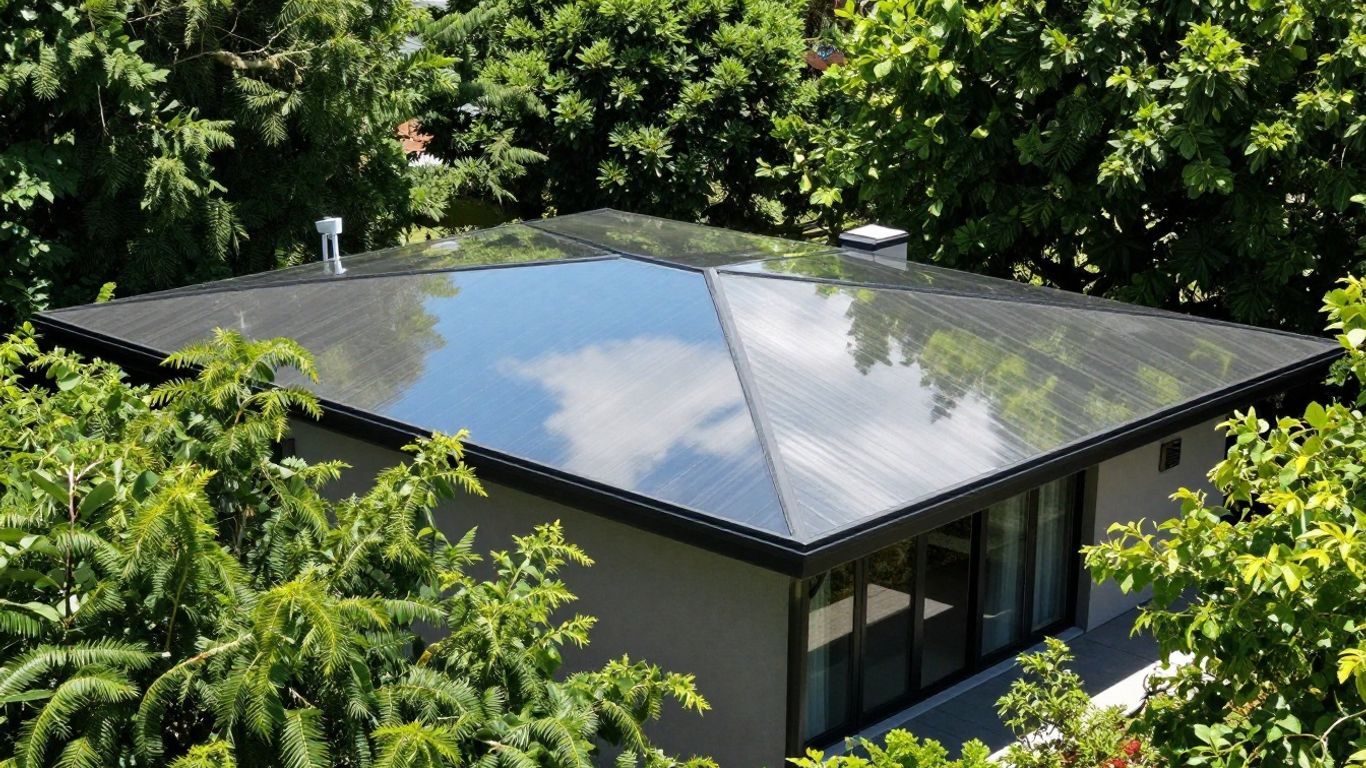
When we talk about energy-efficient roofing, we’re really talking about a smarter way to manage heat around our homes. It’s not just about keeping the rain out anymore; it’s about how our roofs interact with the sun and the air.
How Energy Efficient Roofs Work
Think of your roof as a shield. A standard roof can absorb a lot of solar heat, especially in the summer, and then radiate that heat down into your attic and living spaces. This makes your air conditioner work overtime. Energy-efficient roofs, however, are designed to combat this. They work by either reflecting more sunlight away from the house or by releasing the heat that they do absorb more readily back into the atmosphere. This simple principle can make a big difference in how comfortable your home feels and how much you spend on cooling.
Key Features of Energy Efficient Roofing Materials
Several things make a roofing material energy-efficient. We look at:
- Reflectivity: How well the surface bounces back solar radiation. Lighter colors and special coatings are good at this.
- Emissivity: How well the surface releases absorbed heat. Materials with high emissivity let go of heat faster.
- Insulation Value: Some systems incorporate extra insulation, which slows down heat transfer.
- Ventilation: Proper attic ventilation works hand-in-hand with an efficient roof to remove heat buildup.
The Role of Reflectivity and Emissivity
These two properties are the stars of the show when it comes to energy-efficient roofs. Reflectivity is all about stopping the heat before it even gets absorbed. Imagine wearing a white shirt on a sunny day versus a black one – the white shirt stays much cooler because it reflects more sunlight. Emissivity is what happens after some heat is absorbed. A material with high emissivity will quickly give that heat back up, rather than holding onto it and transferring it inside. Finding materials that balance both reflectivity and emissivity is key to a truly effective energy-efficient roof.
We often focus on the summer cooling benefits, but these roofs can also help in winter. By reducing heat loss from the house during colder months, they contribute to keeping your home warmer, meaning your heating system doesn’t have to work as hard either. It’s a year-round advantage.
So, when we’re looking at new roofing options, paying attention to these features can lead to a more comfortable home and lower energy bills. It’s a practical upgrade that makes good sense.
Significant Savings on Utility Bills
When we think about upgrading our homes, the upfront cost often comes to mind first. But let’s talk about what happens after the work is done – specifically, the money we can save. One of the most direct and noticeable benefits of an energy-efficient roof is how it impacts our monthly utility bills. It’s not just a small dent; it can be a substantial reduction, especially during those peak seasons when our heating and cooling systems are working overtime.
Reduced Cooling Costs in Summer
Summertime heat can really drive up our energy use. A standard roof can absorb a lot of solar heat, turning your attic into an oven and forcing your air conditioner to work much harder to keep the house cool. Energy-efficient roofs, particularly those with reflective surfaces, bounce a good portion of that sunlight back into the sky. This means less heat gets into your home in the first place. We’ve seen studies showing that reflective roofs can reduce the amount of heat absorbed by up to 80%. Think about it: less heat entering means your AC doesn’t have to run as much, leading to lower electricity bills. It’s a simple concept with a big payoff.
Lower Heating Expenses in Winter
While we often focus on cooling, energy-efficient roofs also help in the winter. A well-insulated and properly ventilated roof system helps keep the warm air inside your home where it belongs. Instead of escaping through the attic and roof, that precious heat is retained. This means your furnace doesn’t need to kick on as frequently to maintain a comfortable temperature. While the savings might not be as dramatic as in the summer, every bit counts, and over the course of a cold winter, these savings add up. It’s about creating a more sealed and efficient building envelope.
Maximizing HVAC System Efficiency
Our heating, ventilation, and air conditioning (HVAC) systems are some of the biggest energy consumers in our homes. When a roof isn’t performing well, it puts extra strain on these systems. An energy-efficient roof works in harmony with your HVAC, helping it operate more effectively. By reducing the workload during extreme temperatures, it prevents the system from overexerting itself. This not only saves energy but can also extend the lifespan of your HVAC equipment. Less wear and tear means fewer repairs and replacements down the line, which is another form of savings we often overlook.
Here’s a general idea of how much you might save:
| Season | Primary Benefit | Potential Savings (Estimate) |
|---|---|---|
| Summer | Reduced cooling load | 10-30% on cooling costs |
| Winter | Heat retention | 5-15% on heating costs |
It’s important to remember that actual savings will vary based on your climate, home’s insulation, and specific roofing material chosen. However, the trend is consistently positive for energy-efficient options.
We’ve found that making this upgrade is a practical step towards managing our household expenses. It’s not just about being green; it’s about being smart with our money. The initial investment in a better roof pays for itself over time through these reduced utility bills. We can also look at:
- Improved Insulation: A good roof system works with your attic insulation to create a better barrier.
- Ventilation: Proper attic ventilation, often part of an energy-efficient system, prevents moisture buildup and heat stagnation.
- Material Choice: Selecting materials with high solar reflectance and thermal emittance makes a significant difference.
Ultimately, the goal is to create a home that is more comfortable and less expensive to run, and an energy-efficient roof is a major player in achieving that.
Enhanced Home Comfort Year-Round
When we think about upgrading our homes, comfort is usually high on the list. An energy-efficient roof plays a surprisingly big part in how comfortable our living spaces feel, no matter the season. It’s not just about saving money, though that’s a nice bonus. It’s about creating a home that feels consistently pleasant to live in.
Maintaining Stable Indoor Temperatures
One of the most noticeable benefits of a cooler roof is how it helps keep the inside of our homes at a more steady temperature. On hot summer days, traditional dark roofs can absorb a lot of heat, making your attic and the rooms below feel like an oven. Energy-efficient roofs, especially those with reflective surfaces, bounce a good portion of that solar energy back into the sky. This means less heat gets into your home in the first place. Similarly, in colder months, a well-insulated and reflective roof can help keep some of the heat generated inside from escaping upwards. This consistent temperature regulation makes a huge difference in daily comfort.
Minimizing Heat Transfer Through the Roof
Think of your roof as a barrier. A standard roof can be a leaky barrier when it comes to temperature. Heat moves from warmer areas to cooler areas. In summer, the hot sun heats your roof, and that heat wants to move into your cooler home. In winter, your warm home air wants to escape through the roof into the cold outside. Energy-efficient roofing materials, combined with proper insulation, work to slow down this heat transfer. They act like a better-insulated thermos, keeping the hot out in summer and the warm in during winter. This thermal resistance is key to a comfortable home.
Creating a More Pleasant Living Environment
Beyond just temperature, a more stable indoor climate contributes to a generally more pleasant living environment. We’ve all experienced those days where the upstairs rooms are sweltering while the downstairs is bearable, or vice versa. An energy-efficient roof helps even this out. It reduces the extreme temperature swings that can make certain parts of the house uncomfortable. This means fewer drafts, less stuffiness, and a more uniform feel throughout your home. It’s about making your house a true sanctuary, where you can relax and feel at ease, regardless of what’s happening outside.
Upgrading your roof isn’t just a structural improvement; it’s an investment in the daily comfort of everyone living under its protection. The difference can be felt immediately, turning a house into a more consistently pleasant and welcoming home.
Environmental Advantages of Cooler Roofs
When we think about upgrading our homes, we often focus on what benefits us directly, like lower bills or more comfort. But choosing an energy-efficient roof does more than just help our wallets and our living spaces. It actually plays a part in helping the planet, too. These roofs help reduce the overall temperature in our cities and cut down on pollution.
Reducing Urban Heat Island Effect
Cities tend to be hotter than surrounding rural areas. This is called the "urban heat island" effect. It happens because buildings, roads, and other surfaces absorb and hold more heat than natural landscapes. Dark-colored roofs are big contributors to this. They soak up sunlight and radiate that heat back into the air. Cooler roofs, on the other hand, reflect more sunlight and absorb less heat. This means less heat is released into the urban environment. Think of it like wearing a dark shirt versus a light shirt on a sunny day – the light shirt keeps you cooler. By using materials that reflect sunlight, we can help lower the temperature in our neighborhoods, making them more comfortable and less energy-intensive.
Lowering Greenhouse Gas Emissions
When our homes and buildings get too hot, we turn up the air conditioning. Air conditioners use a lot of electricity, and much of that electricity is still generated by burning fossil fuels. Burning fossil fuels releases greenhouse gases, like carbon dioxide, into the atmosphere. These gases trap heat and contribute to climate change. By reducing the need for air conditioning with a cooler roof, we indirectly lower the demand for electricity. This means less fossil fuel is burned, and fewer greenhouse gases are emitted. It’s a chain reaction where a simple roofing choice can have a positive impact on air quality and climate.
Contributing to a Sustainable Future
Making choices that are good for the environment is becoming more important for all of us. Energy-efficient roofing is one way we can contribute to a more sustainable future. It’s about using resources wisely and minimizing our impact on the planet. Cooler roofs are a practical step homeowners can take. They help conserve energy, reduce pollution, and make our communities healthier places to live. It’s a way to invest in our homes while also investing in the well-being of the environment for generations to come. We can all do our part, and a smart roof is a great place to start.
Increased Durability and Lifespan
When we think about upgrading our roof, we often focus on how it looks or how much it might save us on bills. But a big part of the picture, and something we should really consider, is how much longer a good, energy-efficient roof can last. It’s not just about keeping the weather out for a few years; it’s about building something that stands the test of time.
Protection Against UV Radiation
Sunlight, especially the ultraviolet (UV) rays, can really do a number on roofing materials over time. Think of it like a constant, gentle bleaching and weakening. Many standard roofing materials can become brittle, crack, or lose their protective granules when exposed to intense sun day after day. Energy-efficient roofing options, however, are often made with materials that have built-in resistance to UV damage. This means they don’t break down as quickly under the sun’s relentless gaze. We’re talking about materials that are designed to reflect a good portion of that solar energy away, rather than absorbing it and getting hot, which accelerates wear and tear.
Resistance to Extreme Weather Conditions
Our homes face all sorts of weather, from scorching heat to freezing cold, heavy rain, and sometimes even hail. A roof needs to be tough. Energy-efficient roofs often come with better structural integrity and are made from materials that can handle these extremes without failing. For instance, some cool roofing materials are designed to expand and contract less with temperature changes, which reduces stress on the roof and prevents cracks from forming. This kind of resilience means fewer leaks, less damage from wind uplift, and a generally more secure home when the weather gets rough. We’ve seen how quickly a storm can cause problems, and a durable roof is our first line of defense.
Long-Term Value for Your Investment
Putting a new roof on your house is a significant expense, no doubt about it. But when we choose an energy-efficient option, we’re not just buying a roof; we’re investing in its longevity. A roof that lasts longer means we won’t have to replace it as often, saving us money and hassle down the road. Think about the cost of replacement every 15-20 years versus potentially 30-40 years or more with a high-quality, energy-efficient system. It’s a clear financial benefit that adds up over the life of the home. Plus, a roof in good condition reduces the risk of costly repairs from water damage or structural issues that can pop up unexpectedly.
Here’s a general idea of how lifespan can differ:
| Roofing Type | Typical Lifespan (Years) | Energy-Efficient Features |
|---|---|---|
| Standard Asphalt Shingles | 15-25 | Basic protection |
| High-Performance Shingles | 25-30+ | Enhanced UV resistance, better granule adhesion |
| Metal Roofing | 40-70+ | Reflective coatings, durable materials |
| Tile Roofing | 50+ | Natural durability, can be coated for reflectivity |
Choosing materials that are built to withstand the elements and reflect solar heat means we’re not just making a purchase for today, but for decades to come. This kind of foresight really pays off.
Boosting Your Home’s Market Value
When we think about upgrading our homes, we often focus on immediate benefits like comfort or lower bills. But let’s not forget about the long-term financial upside. A new, energy-efficient roof isn’t just good for our wallets now; it’s a smart move that can really pay off when it’s time to sell. Potential buyers are increasingly looking for homes that are already set up for lower running costs. It’s a tangible benefit they can see and understand, making our property stand out in a crowded market.
Attracting Potential Buyers
Think about it from a buyer’s perspective. They’re looking at a house, and they’re imagining their future there. If they see a roof that’s clearly modern and built with energy savings in mind, it signals that the home has been well-maintained and is equipped for the future. This can be a huge draw, especially for first-time homebuyers or those who are budget-conscious. It suggests fewer immediate repair worries and lower monthly expenses, which are big selling points.
Highlighting Energy Efficiency as a Selling Point
We can actively use the energy-efficient features of our roof as a talking point. Instead of just saying ‘new roof,’ we can say ‘new, cool roof designed to cut down on cooling costs.’ We can point to the materials used and explain how they reflect sunlight, keeping the attic cooler. This kind of specific information makes the upgrade feel more substantial and less like a generic improvement. It shows we’ve invested in the home’s performance, not just its looks.
A Smart Investment for Resale
Ultimately, putting in an energy-efficient roof is an investment. It’s not just about the immediate savings we enjoy; it’s about adding a feature that increases the desirability and perceived value of our home. When we eventually decide to move, this upgrade can help us sell faster and potentially for a better price. It’s a win-win: we benefit now, and we get a return on our investment later.
Here’s how an energy-efficient roof can make a difference:
- Reduced Cooling Load: Less heat absorbed means your air conditioner doesn’t have to work as hard.
- Lower Energy Bills: Direct savings on electricity, especially during warmer months.
- Increased Curb Appeal: Modern roofing materials often look great and signal a well-cared-for home.
- Environmental Credentials: Appeals to buyers who prioritize sustainability.
Making a visible, impactful upgrade like an energy-efficient roof can significantly shift a buyer’s perception of a home’s overall value and long-term cost of ownership. It’s a practical feature that speaks volumes about the property’s quality and forward-thinking design.
Conclusion
Upgrading to energy-efficient roofing is a smart move for homeowners. We’ve seen how these roofs can cut down on energy bills, make our homes more comfortable all year round, and even help the environment. Plus, they last longer and can make our homes worth more. It’s not just about a new roof; it’s about making a lasting investment in our homes and our planet’s future. Considering the many energy efficient roofing benefits, it’s a change that pays off in more ways than one.
Frequently Asked Questions
How do energy-efficient roofs actually save money?
Think of it like wearing a light-colored shirt on a hot day. These roofs are designed to bounce sunlight away instead of soaking it up like dark roofs do. This means less heat gets into your attic and your house, so your air conditioner doesn’t have to work as hard. Less work for your AC means lower electricity bills, especially in the summer.
Are these roofs good for winter too?
Yes, they are! While they’re great at keeping heat out in summer, they also help keep the heat inside your home during the winter. Some types of energy-efficient roofs have special layers that stop heat from escaping through the ceiling. This means your heater doesn’t need to run as much, saving you money on heating costs.
What makes a roof ‘energy-efficient’?
It’s usually about the materials and how they’re made. Many energy-efficient roofs use special coatings or granules that reflect sunlight. They might also be lighter in color. Some have better insulation built-in. The main idea is to either reflect heat away or trap less heat, making your home easier to keep at a comfortable temperature.
Do these roofs last longer than regular roofs?
Often, yes. The materials used are frequently tougher and designed to handle things like strong sun and heat without breaking down as quickly. This means they can resist damage from UV rays and extreme weather better. A longer-lasting roof means you won’t have to replace it as often, saving you money in the long run.
Will an energy-efficient roof make my house more comfortable?
Definitely. Because the roof isn’t letting as much heat into your house, the temperature inside stays more even. You won’t have those hot spots near the ceiling, and the whole house will feel more pleasant. It’s like having a natural thermostat working for you, making your living space much nicer.
Are energy-efficient roofs better for the environment?
Yes, they are! By reflecting sunlight and reducing the heat absorbed by buildings, they help cool down whole neighborhoods, which is called the ‘urban heat island’ effect. Also, since your home uses less energy for heating and cooling, it means fewer greenhouse gases are released into the air. It’s a good way to make your home more eco-friendly.
